Understanding Static Hazards in Solvent Handling
Handling flammable solvents comes with inherent risks, and one of the most overlooked yet critical dangers is static electricity. When solvents flow through pipes and hoses, they generate electrostatic charge, which, if not managed correctly, can result in sparks that ignite flammable vapours.
The consequences of static-related ignitions can be catastrophic, leading to fires, explosions, and significant operational downtime.
The Role of IBCs in Static Safety
Intermediate Bulk Containers (IBCs) are widely used for storing and transporting solvents. However, the material of an IBC plays a crucial role in determining static risk.
Plastic and Composite IBCs: These materials are prone to static build-up, requiring additional protective measures like grounding cables and conductive grids to dissipate charge.
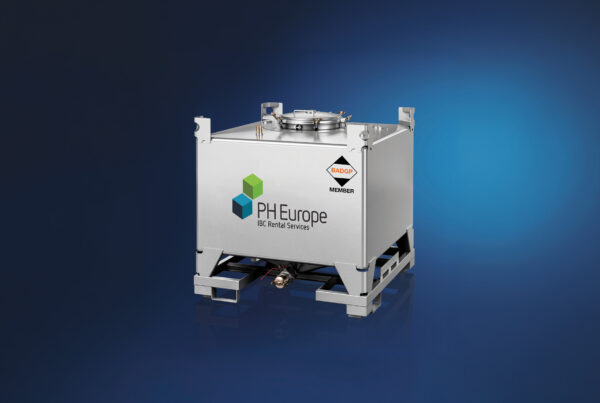
Stainless Steel IBCs: Naturally conductive, stainless steel prevents electrostatic accumulation, significantly reducing the risk of ignition. This makes them the safer choice for flammable solvents.
Best Practices for Safe Filling of IBCs
The Solvents Industry Association (SIA) outlines strict guidelines to mitigate static hazards when filling IBCs. PH Europe promote these industry standards, ensuring that our customers benefit from the highest levels of safety.
Key best practices include:
Bonding and Earthing: IBCs must be properly grounded before and during filling to dissipate static charge safely.
Controlled Filling Methods: Avoiding splash filling and uncontrolled gravity filling, which generate static electricity and increase ignition risk.
Slow Initial Flow Rate: Starting at 1 metre per second, then increasing as the IBC fills, prevents excessive charge build-up.
Regular Equipment Inspections: Ensuring all valves, hoses, and connections are maintained to prevent static accumulation.
Why PH Europe Stainless Steel IBCs Lead the Industry
With over 30 years of expertise, PH Europe provides UN-certified stainless steel IBCs designed to maximise safety and efficiency. Here’s why our IBCs are the preferred choice for solvent handling:
Superior Conductivity: Unlike plastic IBCs, stainless steel naturally dissipates static electricity, eliminating the need for additional conductive layers.
Built for Compliance: Our IBCs meet ADR, IMDG, and SIA best practice regulations, ensuring adherence to the highest safety standards.
Designed for Durability: Resistant to chemical degradation and permeation, ensuring long-term reliability and cost-effectiveness.
Tailored Safety Solutions: PH Europe offers on-site risk assessments and complimentary consultations to help businesses enhance their solvent handling practices.
Secure Your Supply Chain
Static safety is not just a recommendation; it’s a necessity in solvent handling. By choosing PH Europe stainless steel IBCs, you’re not only investing in compliance and durability but also significantly reducing your operational risk.
Book a Complimentary Safety Consultation with our team today!
Call us on +44(0)1484 351070
Email: info@pheurope.com
Stay ahead of industry regulations and prioritise static safety with PH Europe – your trusted partner in solvent handling solutions.