Renting an IBC can sound simple. A container arrives, it is filled and then it is returned.
But for businesses handling hazardous, flammable, hygienic or high-value liquids, the container itself is only one part of the process.
It needs to be suitable for the product. It must arrive when production needs it. It may require cleaning, inspection, maintenance and certification before it can be used again. Its location may also need to be monitored as it moves between production sites, customers and suppliers.
A fully managed IBC rental service brings these different responsibilities together.
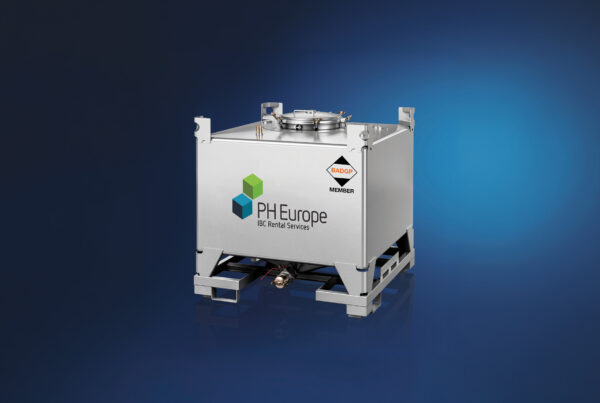
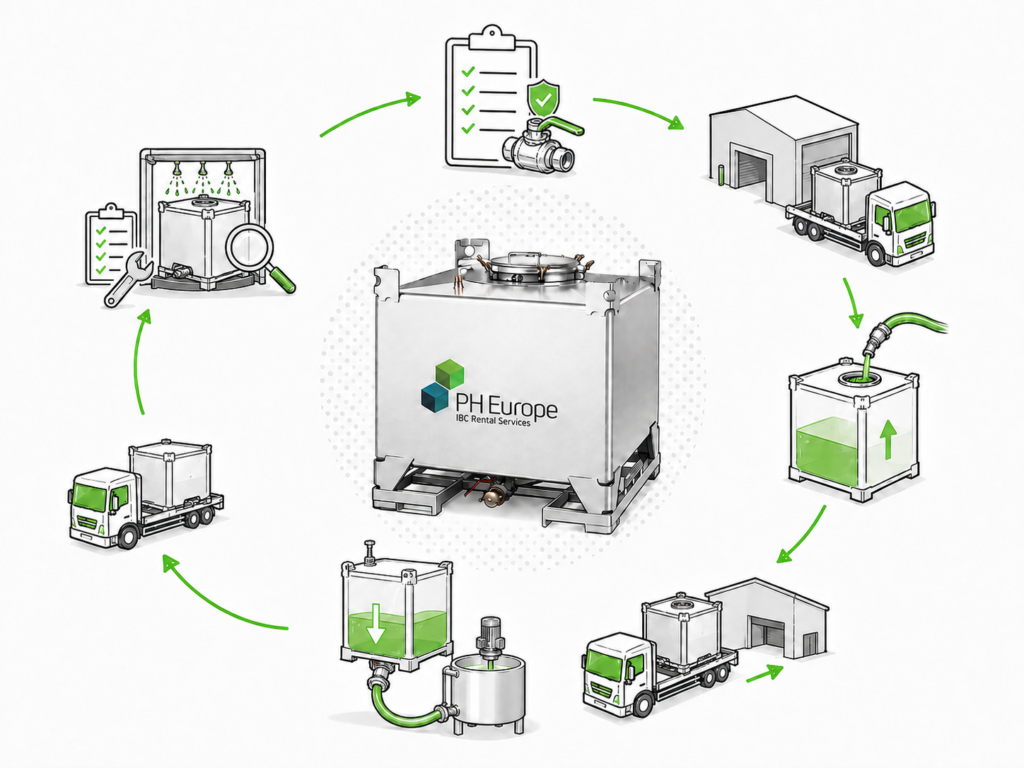
PH Europe provides clean, certified stainless steel IBCs directly to the filling line. Once the container has completed its journey, it can be collected, prepared and returned to service.
As we put it: rent, fill, clean, repeat.
It starts with the right IBC
Not every liquid can be handled in the same way.
The correct IBC depends on the properties of the product, how it will be filled and discharged, where it will travel and what happens to it during production.
Chemical compatibility, viscosity, temperature, hygiene and dangerous-goods classifications can all influence the specification.
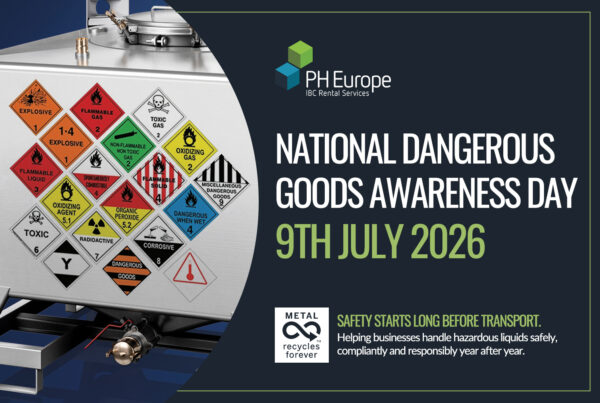
Some products require a standard stainless steel IBC. Others may need specialist valves, dip tubes, mixers, insulation or temperature control. Hazardous products may require UN-approved equipment, while sensitive food or pharmaceutical applications can create additional hygiene and traceability requirements.
A managed service starts by understanding the application before recommending the equipment.
PH Europe supplies a range of stainless steel IBCs and can provide customised and bespoke equipment where a standard specification is not suitable.
Containers delivered when production needs them
Owning an IBC fleet means deciding how many containers to purchase, where to store them and how to respond when demand changes.
Rental provides flexibility.
PH Europe can supply a single container, multiple units for a short production campaign or an ongoing fleet for regular movements. Clean and certified IBCs can be delivered directly to the filling line when required.
After use, the containers can be collected and returned for cleaning, inspection and preparation for their next cycle.
This just-in-time approach helps businesses avoid holding more containers than they need. It also provides access to additional equipment during seasonal peaks, new contracts or changes in production demand.
Learn more about PH Europe’s IBC rental service.
Cleaning and preparation between uses
What happens to an IBC between journeys is as important as what happens while it is carrying a product.
Returned containers need to be professionally cleaned and inspected before they can re-enter service. The cleaning process must consider the previous contents, the next intended use and the standards required by the customer’s industry.
Effective cleaning helps protect product quality, reduce contamination risk and keep containers moving through the supply chain.
For businesses in sectors with strict hygiene requirements, this process can also include sterilisation and additional preparation before the container is released.
PH Europe manages IBC cleaning as part of the wider container lifecycle.
Inspection, repair and preventative maintenance
Stainless steel IBCs are designed for repeated use, but they still need to be checked and maintained.
Valves, seals, lids, frames and fittings can experience wear during filling, transport and discharge. Small issues can become production delays or safety risks if they are not identified early.
Routine inspection and preventative maintenance help find these problems before a container returns to the filling line.
Where necessary, PH Europe can repair or replace components and prepare the IBC for continued service. This extends the useful life of the equipment and helps maintain a consistent standard across the fleet.
Read more about IBC repair and maintenance.
Testing and certification
Businesses transporting dangerous goods must know that their containers remain compliant and within the required testing schedule.
This creates an ongoing administrative responsibility for businesses that own and manage their own IBC fleets.
A fully managed rental programme can include routine inspection, UN testing and certification. PH Europe manages these requirements before the container is supplied, reducing the need for customers to monitor testing dates and arrange the work themselves.
This means the customer receives an appropriate, certified container that is ready for its intended use.
Find out more about IBC testing and certification.
Tracking containers across the supply chain
An IBC may move between several locations during a single cycle. It can travel from the filling site to a distributor, manufacturing partner or customer before it becomes available for return.
Without clear visibility, containers can remain at a site longer than expected or become difficult to locate. This reduces fleet availability and can lead to unnecessary equipment being added to the system.
Tracking and level-monitoring technology can provide greater visibility of container location, dwell time and product levels.
This information can help businesses plan collections, reduce lost or idle assets and understand how containers are moving through the supply chain.
A different service for each industry
The basic IBC lifecycle may be consistent, but the operational requirements differ between industries.
For chemical manufacturers and distributors, the priority may be chemical compatibility, UN and ADR requirements, static risk and the safe handling of hazardous or flammable liquids.
Within cosmetics and fragrance manufacturing, alcohol-based formulations require safe handling, while consistent container quality and effective cleaning help protect valuable products across multiple sites.
Food and beverage manufacturers need to maintain hygiene and product integrity when handling oils, syrups, juices, concentrates and other liquid ingredients. Seasonal demand can also create a need for additional equipment at short notice.
For paints and coatings manufacturers, viscosity, temperature and contamination between batches can affect discharge, colour and finished product performance. Heated containers, specialist fittings or mixing equipment can be required.
Pharmaceutical applications place particular importance on hygiene, traceability, tamper evidence and regulatory compliance. The equipment and service must reflect the quality standards of the wider production environment.
In battery manufacturing, liquids may be corrosive, conductive or sensitive to changes in temperature. Container compatibility, safe handling and the correct fittings therefore become central to the specification.
A fully managed service considers these differences. It is not simply the same container being supplied to every customer.
What does the customer gain?
The main benefit is not simply avoiding the purchase of an IBC.
It is reducing the time, capital and internal resource required to manage the complete container lifecycle.
Customers can access equipment as demand changes without maintaining a large reserve fleet. They do not need to provide as much storage for unused containers. Cleaning, repairs, testing and certification can be handled through one service rather than several separate suppliers.
Reusable stainless steel IBCs can also reduce dependence on limited-trip packaging and support a more circular approach to bulk liquid handling.
Most importantly, the customer can focus on production while PH Europe manages the containers required to keep it moving.
More than an IBC rental
A fully managed IBC rental service should provide more than equipment.
It should make container availability more predictable, reduce operational administration and give the customer confidence that each IBC is suitable, prepared and ready for use.
From the initial specification and delivery through to collection, cleaning, inspection, maintenance and testing, PH Europe supports the complete working cycle.
To discuss your current IBC system or an upcoming production requirement, contact PH Europe at info@pheurope.com or call +44 (0)1484 351070.
Alternatively, you can use our contact form and a member of our team will be in touch.