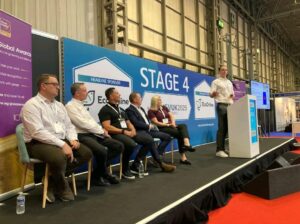
PH Europe was proud to be represented at CHEMUK 2025 by our Sales Director, James Astley, who joined a panel of industry experts to speak on the mitigation of static ignition hazards when handling solvents and flammable liquids.
The panel session, hosted by the Solvents Industry Association (SIA), took place on Stage 4 at the NEC, Birmingham, and focused on the key risks and preventative strategies when working with flammable Class 3 liquids across the chemical sector.
James highlighted the safety risks associated with using plastic composite IBCs in flammable liquid handling environments, particularly the issue of electrostatic accumulation. HDPE containers are poor conductors, making them unable to dissipate static charges effectively. If not appropriately grounded, there is a high risk of electrostatic discharge which can lead to flammable vapour ignition during filling, mixing, or decanting operations.
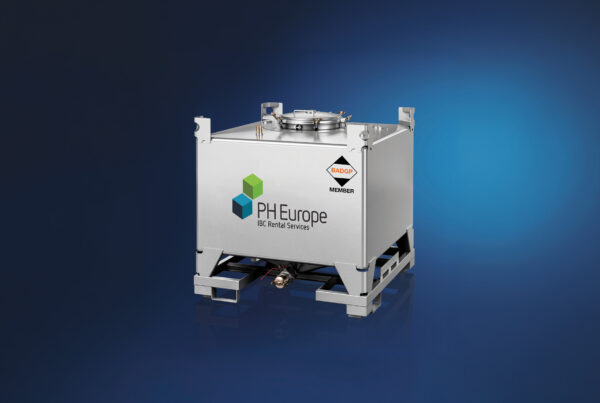
In contrast, James outlined the significant safety advantages of using stainless steel IBCs, including:
Conductivity: Stainless steel’s conductivity provides reliable grounding, helping to minimise the risk of static buildup.
Fire resistance: In the event of a fire, stainless steel IBCs maintain structural integrity, unlike plastic IBCs, which suffer catastrophic failure within minutes, often resulting in an uncontrollable pool fire.
Regulatory compliance: Stainless steel IBCs can be recertified every 2.5 years under ADR regulations for ongoing safe transportation and handling of flammable liquids. Stainless steel IBCs also comply with the principles outlined in CLC/TR 50404, a guideline that establishes best practices for preventing hazards related to static electricity.
Durability: With exceptional resistance to a wide range of chemicals and protection from UV exposure, stainless steel ensures long-term performance and reliability in demanding environments.
The session also covered upcoming regulatory changes taking effect in France from January 2026, which will ban the use of plastic intermediate bulk containers (IBCs) for flammable liquids in volumes over 30 litres. This development reflects a broader EU-wide acknowledgment of the risks linked to using plastic packaging for hazardous liquids.
James emphasised that by choosing stainless steel IBCs, not only do you meet regulatory requirements: “It’s a strategic decision that improves operational safety, advances sustainability objectives, and ensures long-term cost efficiency.”
We’d like to thank the SIA for hosting the discussion and for continuing to raise awareness about best practices in solvent and flammable liquid handling.