From August 2026, the EU’s Packaging and Packaging Waste Regulation (PPWR) will introduce a new set of requirements for how packaging is designed, used and managed across the supply chain.
For businesses handling bulk liquids, particularly hazardous or flammable products, this is not a minor regulatory update. It represents a shift in how packaging systems are expected to operate.
The focus is no longer just on recyclability. It is on reuse, traceability and long-term system performance.
What is PPWR and Why It Matters
The Packaging and Packaging Waste Regulation is a new EU-wide regulation designed to reduce packaging waste and improve sustainability across all industries.
As highlighted in the recent presentation by McGrady Clarke to the Chemicals Business Association (CBA), insights into the regulations places increasing emphasis on the requirement for reusable packaging systems, supported by clear processes for return, tracking and documentation.
This marks a move away from single-use and limited-life packaging models, towards systems that are designed to operate over multiple cycles, with full visibility and control.
For companies using IBCs, this has direct operational implications.
Key PPWR Deadlines and What Changes in 2026
The first major milestone comes in August 2026, when requirements around reusable packaging systems begin to take effect.
The timeline below outlines the key milestones for PPWR from 2026 to 2030:

From this point onwards, businesses will need to demonstrate that their packaging is not only compliant, but capable of being reused within a structured system.
Further requirements will follow, including the introduction of rotation tracking, reuse targets, and enhanced labelling and documentation standards through to 2030.
The direction is clear. Packaging must be designed and managed as part of a controlled, repeatable system, not treated as a disposable or short-term asset.
What PPWR Means for IBC Systems
For IBC users, PPWR changes the role of the container.
It is no longer enough for an IBC to be compliant at the point of manufacture. It must remain compliant, traceable and fit for use across multiple cycles.
This introduces several new expectations.
Containers must be capable of repeated use without degradation in performance. They must be part of a system that supports return, inspection and redeployment. And they must be supported by accurate data, allowing businesses to track location, usage and condition over time.
In short, the focus shifts from the container itself to the system around it.
Where Many Current Setups Fall Short
This is where many existing packaging models begin to show limitations.
Plastic composite IBCs, while widely used, are typically designed with a limited lifespan. In many cases, they cannot be re-tested for continued use with hazardous goods beyond a defined period, often around five years.
At the same time, the use of recycled plastic introduces additional uncertainty. While reconditioned units may meet minimum recycled content targets, the origin of that material is not always clear. Previous use, contamination risk and material degradation can all impact both safety and structural integrity.
In practice, this creates a gap between meeting regulations on paper and achieving true operational compliance and reliability.
For businesses handling sensitive or flammable products, that gap carries real risk.
Why Reusable Systems Are Now Mandatory
Under PPWR, reuse is no longer a preference. It is becoming a requirement.
The table below highlights the key PPWR requirements and what they mean in practice:
| Aspect | Article 11 – Reusable packaging | Article 29(1) – Reuse targets |
|---|---|---|
| Objective | Introduction of functioning reusable and return systems | Increase in the share of reusable packaging across all packaging sectors |
| Application | From 12 August 2026 | Phased in up to 2040 (depending on packaging type) |
| Obligations for companies | Packaging must be capable of multiple uses, returnable and repairable | Reuse quotas must be achieved progressively and demonstrated |
| Verification & monitoring | Participation in a reuse system, documentation and labelling (digital from 2028) | National monitoring of target achievement by Member States |
| Delegated acts | Determination of minimum numbers of rotations by February 2027 | Definition of specific quotas and transitional periods |
| Practical implications | Establishing or connecting to reusable systems, reviewing existing packaging for reusability | Strategic planning to comply with future reuse quotas and adapt packaging portfolios |
As outlined within the regulation, businesses must demonstrate that packaging can be used across multiple rotations, supported by return systems, documentation and performance monitoring.
This moves responsibility beyond the container itself and onto how it is managed across its full lifecycle.
The PH Europe Approach to PPWR Compliance
At PH Europe, this system-led approach is already in place.
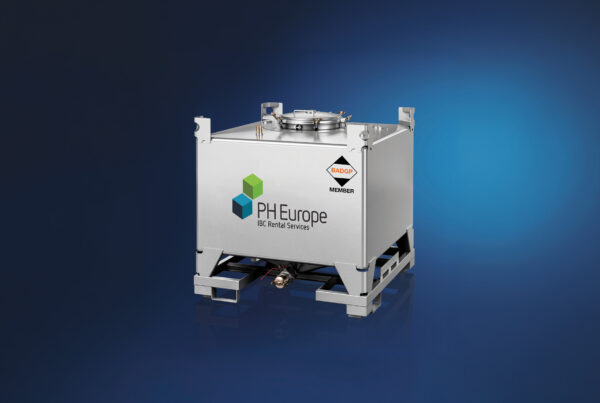
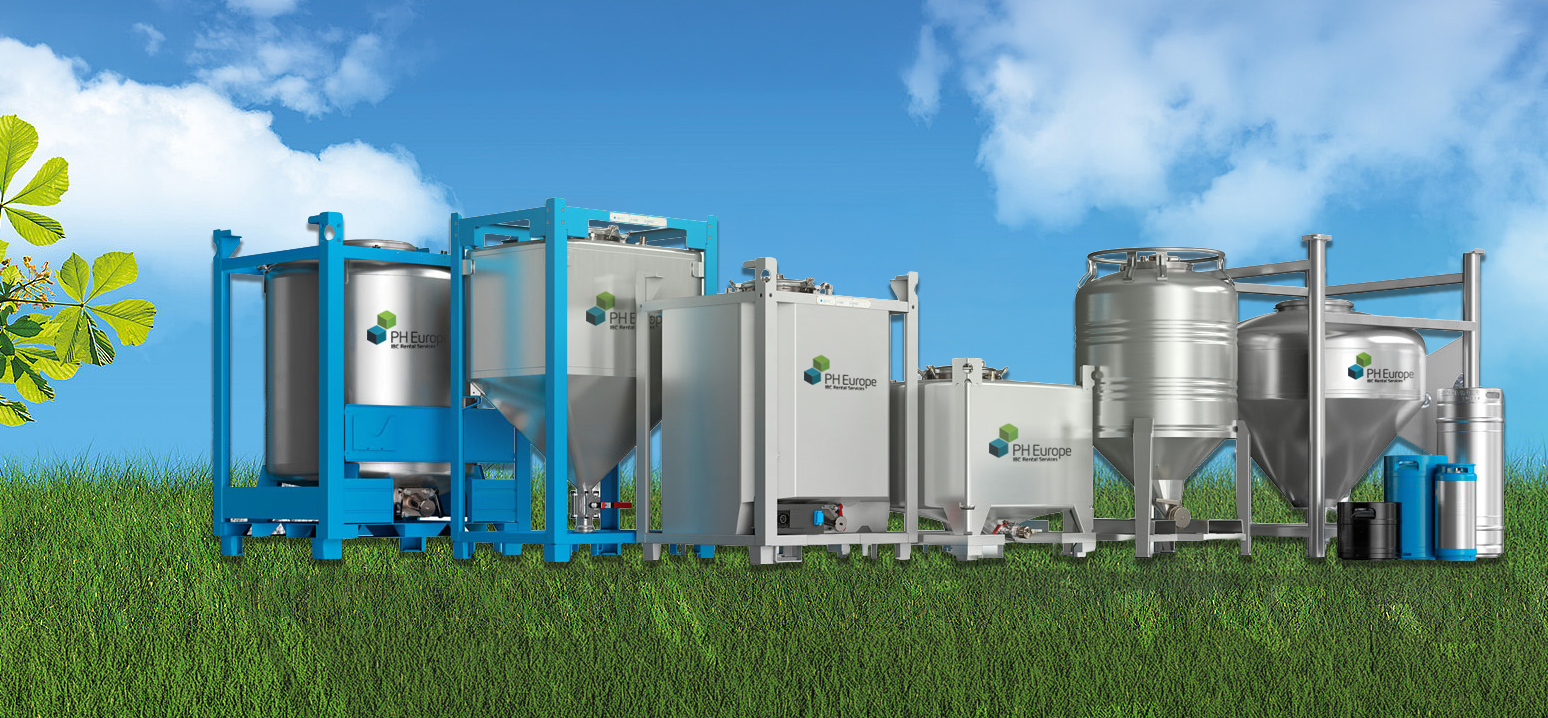
Our stainless steel IBCs are designed for long-term, repeated use, providing a durable alternative to limited-life packaging. More importantly, they operate within a fully managed service model.
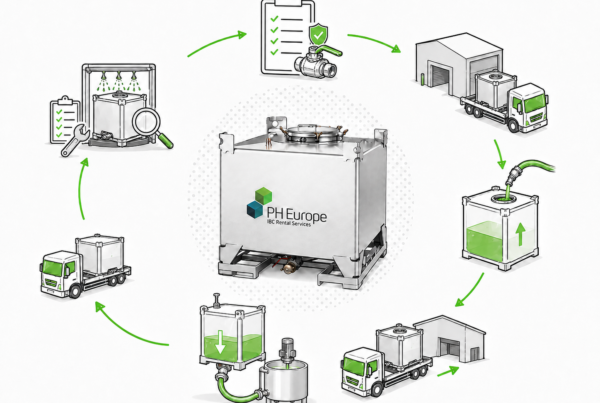
This includes cleaning, maintenance, UN testing, and logistics, all handled as part of the rental solution. Each unit is maintained to consistent standards, ensuring compliance across every cycle.
With integrated tracking and data visibility, businesses gain full oversight of container location, usage and condition, supporting both operational efficiency and regulatory requirements.
Rather than managing containers internally, the entire process is handled as a complete, compliant system.
What You Should Be Doing Now
Businesses should already be reviewing how their current packaging is used, how it is tracked, and whether it can realistically meet the demands of a reuse-based model.
This includes understanding the limitations of existing container types, identifying gaps in visibility and control, and assessing how compliance will be demonstrated in practice.
The earlier these steps are taken, the easier the transition becomes.
Preparing for the Future
PPWR is not just a regulatory change. It is a structural shift in how packaging is expected to function across the supply chain.
For IBC systems, this means moving away from fragmented, short-term solutions, and towards consistent, managed approaches that support reuse, safety and full lifecycle control.
Businesses that act early will not only meet the requirements more easily, but will also benefit from improved efficiency, reduced risk and greater operational clarity.
Those who delay may find that compliance becomes more complex, more costly, and harder to implement at scale.
If you’re reviewing your current IBC setup or are unsure how the upcoming regulations apply to your operation, we can help.
We work with a vast number of businesses handling hazardous and flammable liquids to implement compliant, reusable IBC systems that are built for long-term use.
If you’d like to talk through your current setup or explore what a PPWR-ready system looks like in practice, get in touch with our team.
Visit https://pheurope.com/contact or email info@pheurope.com